
Research
This page provides a brief overview of some of the research projects in the Nanoscape lab. Note that the projects here only provide a sampling: research in the lab encompasses a variety of Internet-of-Things systems, cross-cutting hardware, software, and applications.
Wearable Devices for Healthcare
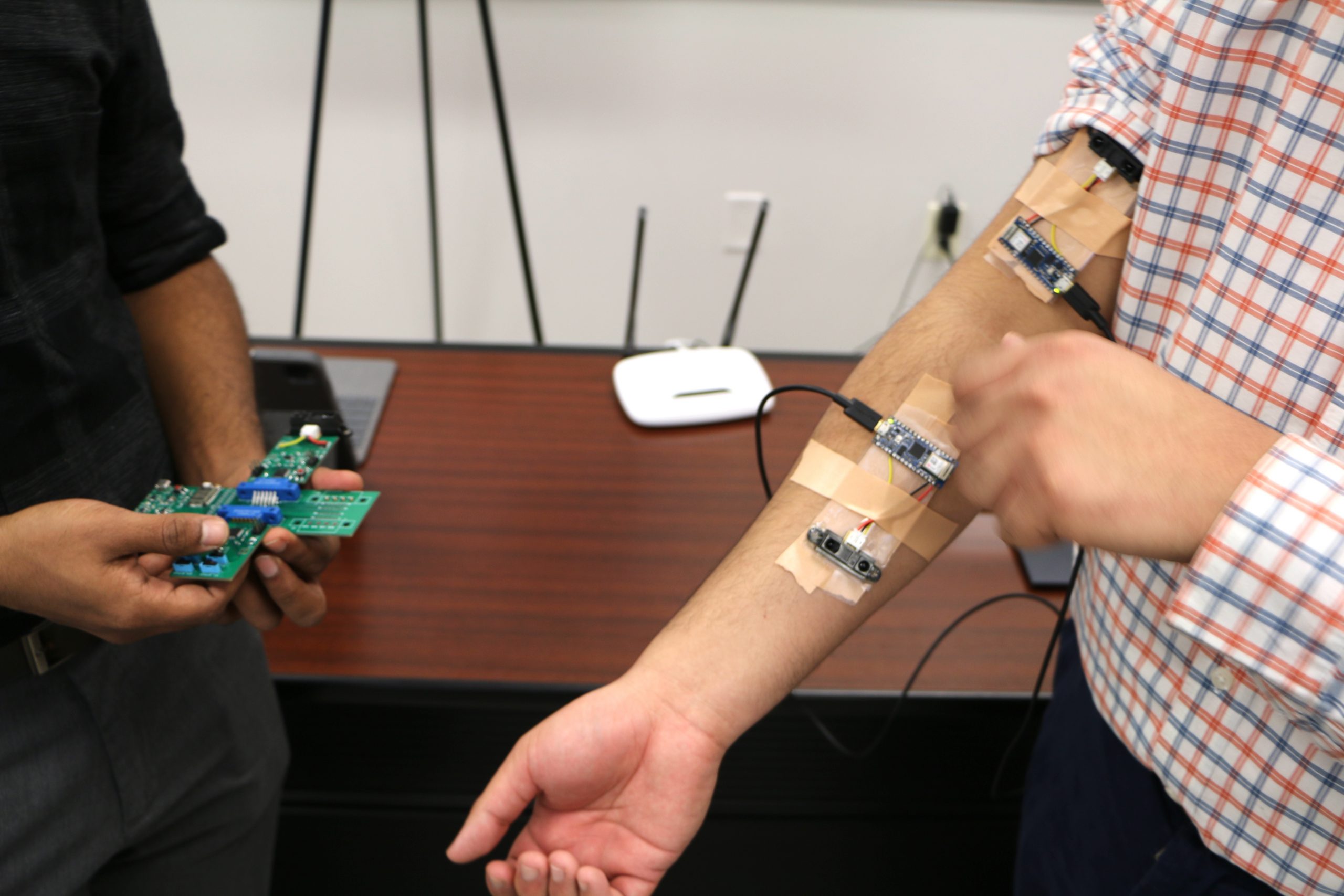
Several projects are developing smart, connected wearable devices to revolutionize health and patient care using IoT. One project focuses on creating an in-shoe sensor for foot and ankle surgery patients. Pasteables “peel-and-stick” devices can be worn on any part of the body for health and activity monitoring. Other wearable devices include scapular motion monitoring for improved orthopedic care, a smart scoliosis brace for real-time feedback and treatment enhancement, and sleep monitoring devices.
IoT for Honeybees
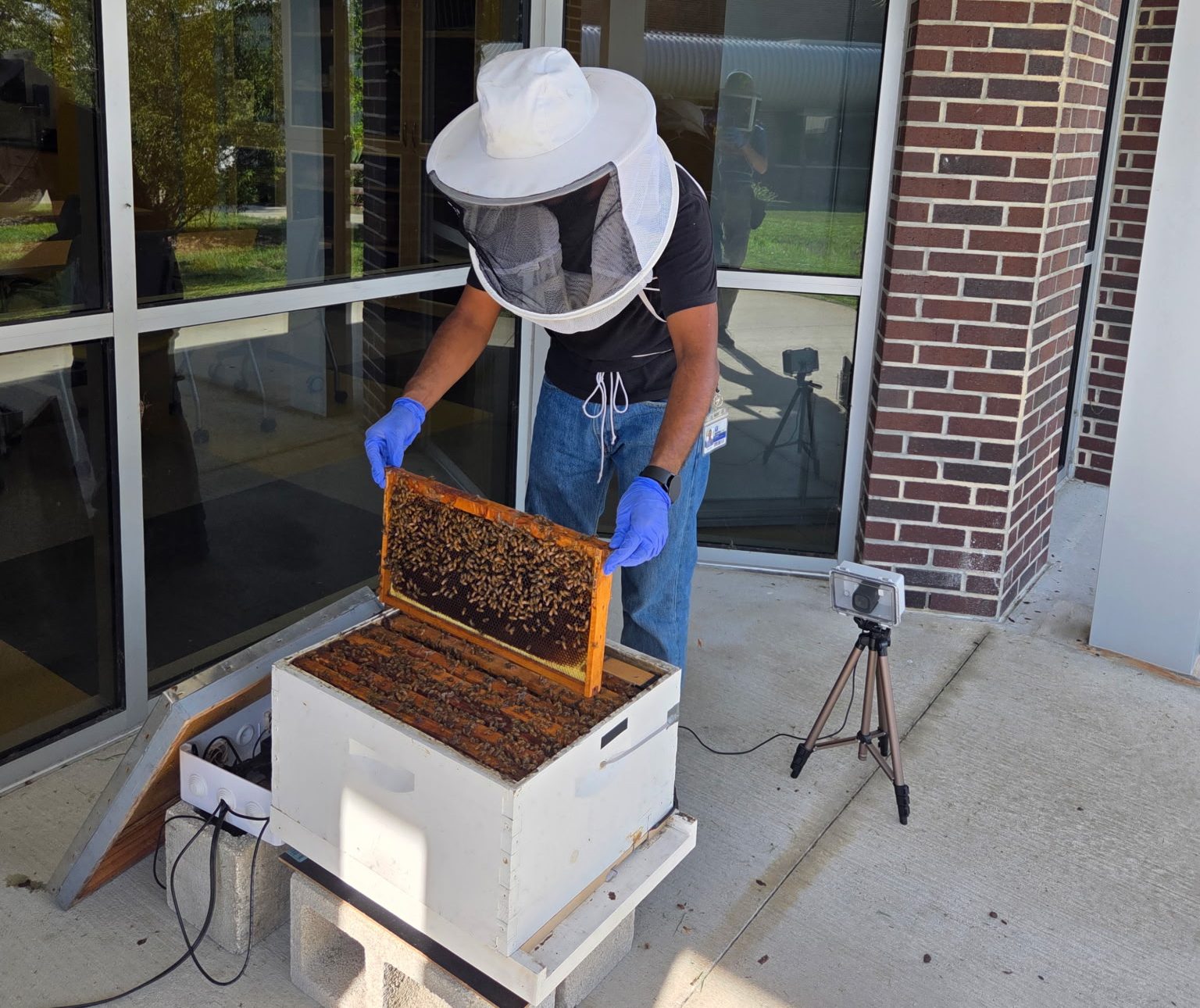
In collaboration with colleagues in UF IFAS and Entomology, we are conducting research on improving honeybee health and crop pollination quality with AI-powered IoT.

Smart Systems for Mosquito Research
In collaboration with the Department of Entomology, we are working towards studying the behavior and developing systems to monitor mosquito behavior and differentiate between species.

Safety of IoT Systems
We are working towards improving safety of IoT systems, including autonomous systems with a specific emphasis on aerospace systems.
One of our current projects is collaborative research with Florida Institute of Technology, sponsored through the NASA ULI program.
NQR Spectroscopy for Global Medicine and Food Safety
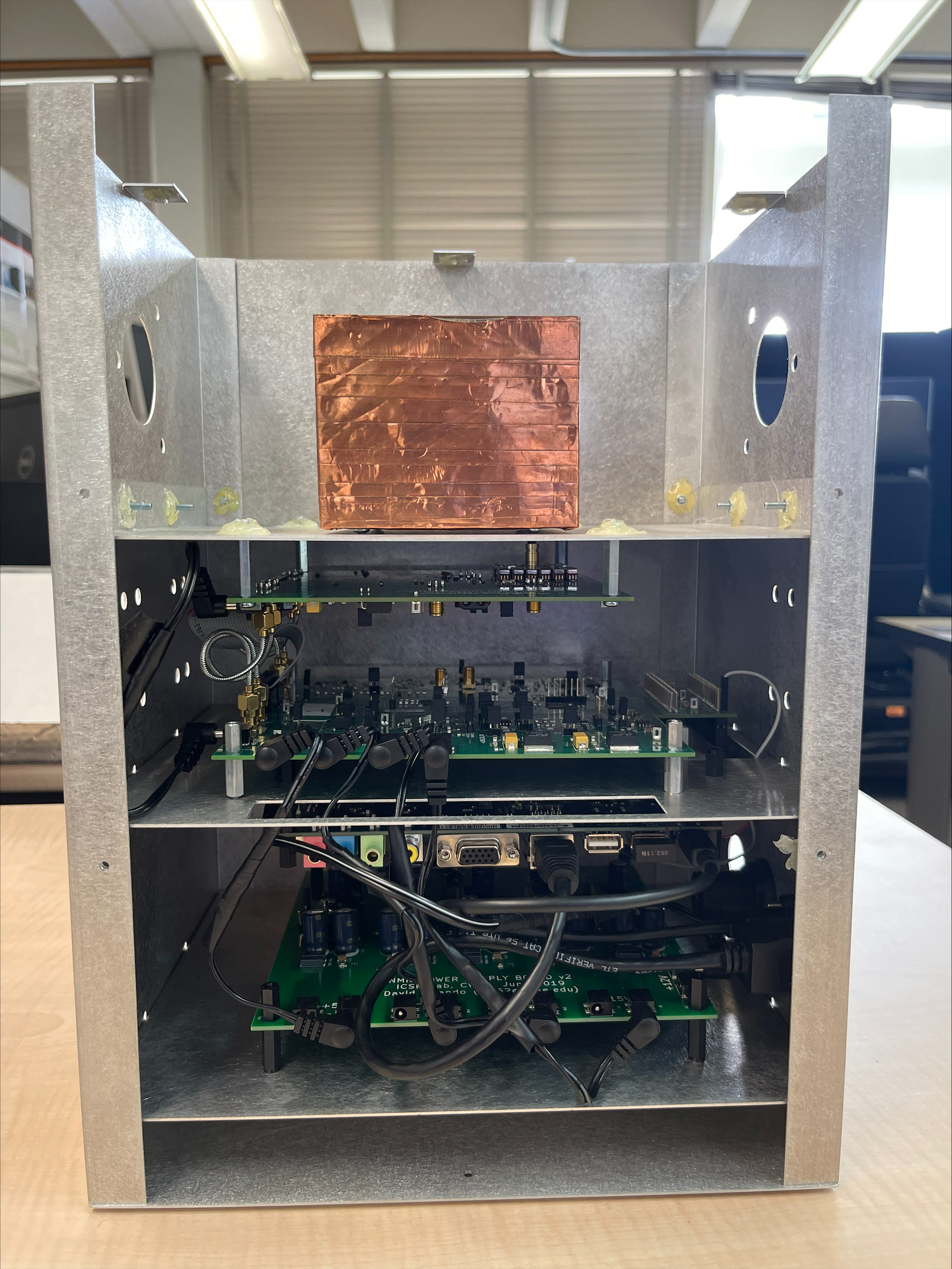
The Nuclear Quadrupole Resonance (NQR) spectroscopy technique allows for non-invasive, on-site detection of illegal substances and authentication of pharmaceutical substances, food products, and more. It serves as a powerful tool to combat illegal distribution of controlled substances as well as counterfeit and tampered medications, packaged foods, and supplements in modern supply chains. This technology can provide a unique, reliable method to verify medicine, food, and produce integrity and quality, promoting trust and transparency across global markets.
Hardware Trust and Security
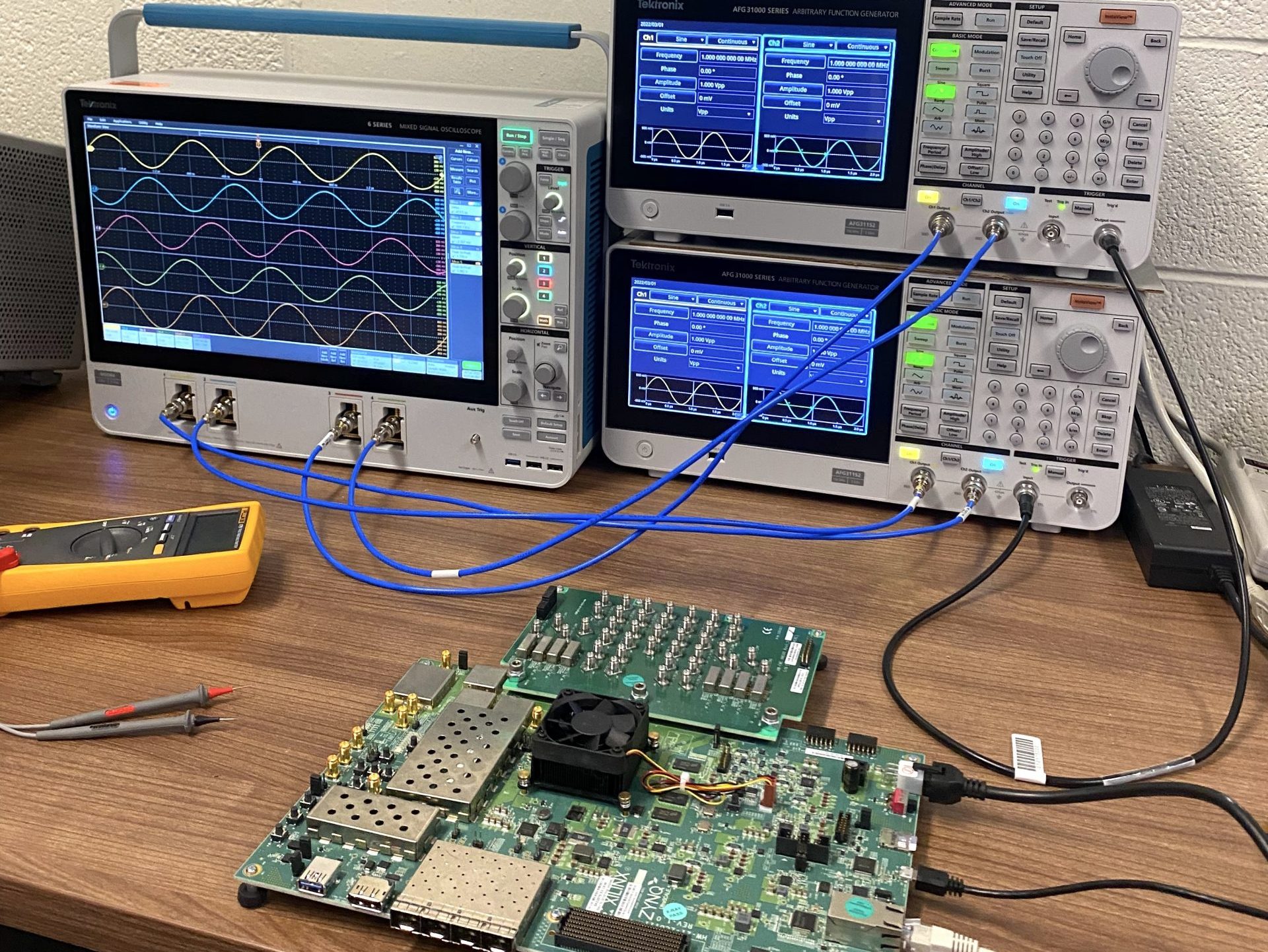
Security of electronic hardware, in particular, integrated circuits (ICs), is rapidly becoming an important design, test, and validation concern with growing number of attacks at different stages of IC life-cycle. Hardware Intellectual Property (IP) piracy and reverse engineering efforts have emerged as major concerns for IP vendors and design houses. It has been critical develop low-cost design techniques for preventing IP infringement at different stages of IP life-cycle. Nanoscape is presently investigating netlist and register transfer level design solutions for hardware IP protection that ensures trust and security for all parties involved in system design flow while not affecting end user experience. Another major security concern for hardware is malicious alteration of a design in an untrusted foundry. Conventional test generation, application and coverage determination do not directly apply to detect such alterations, commonly referred as hardware Trojan. At Nanoscape, we are exploring novel solutions for post-silicon Trojan detection techniques as well as design methodology to prevent Trojan insertion and/or facilitate Trojan detection. We have developed a key-based hardware obfuscation approach to protect hardware IP against different forms of attacks.