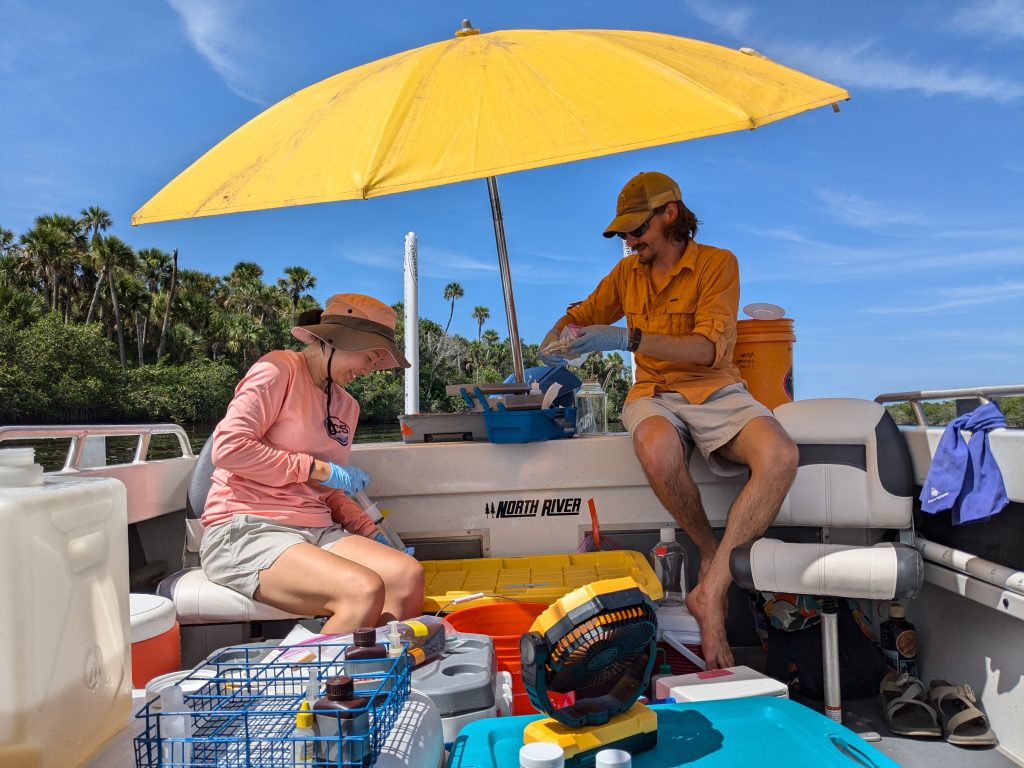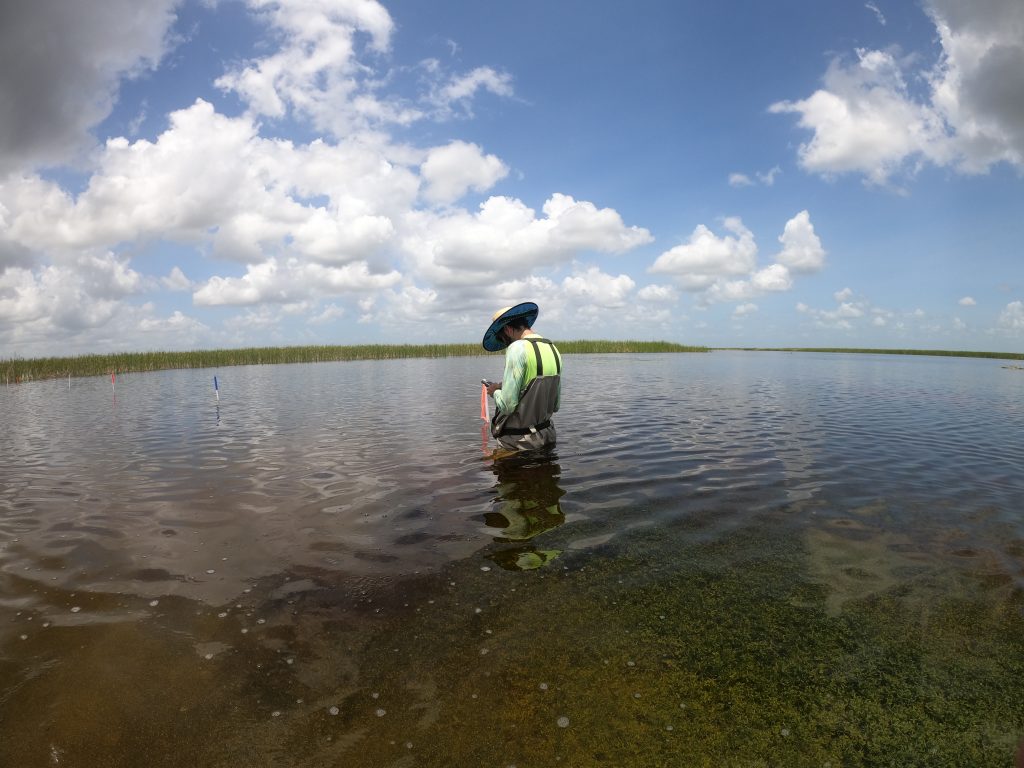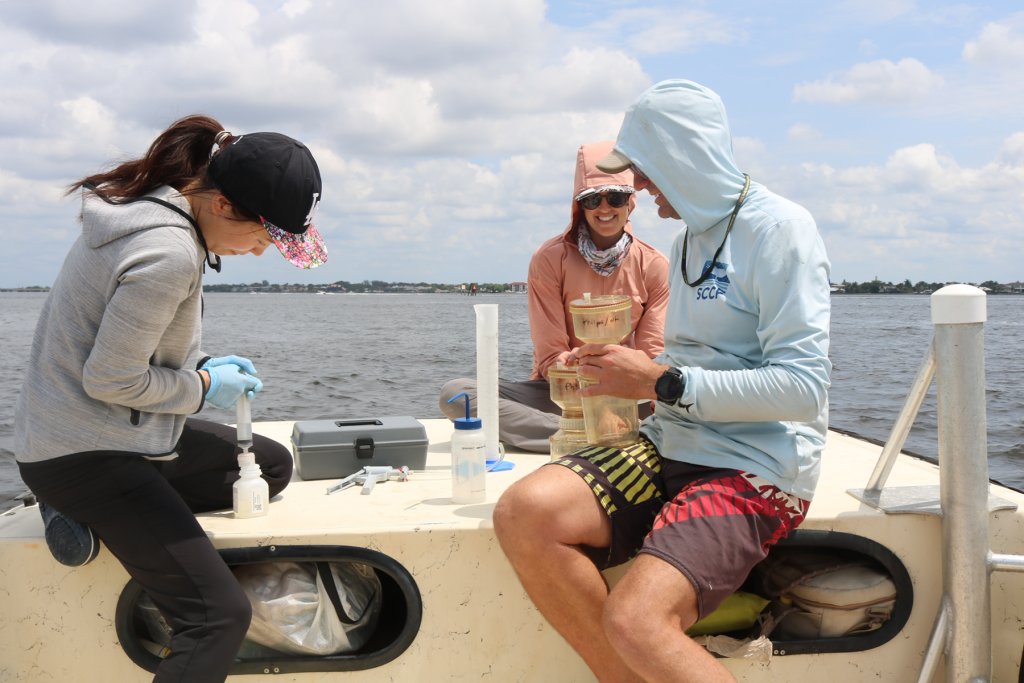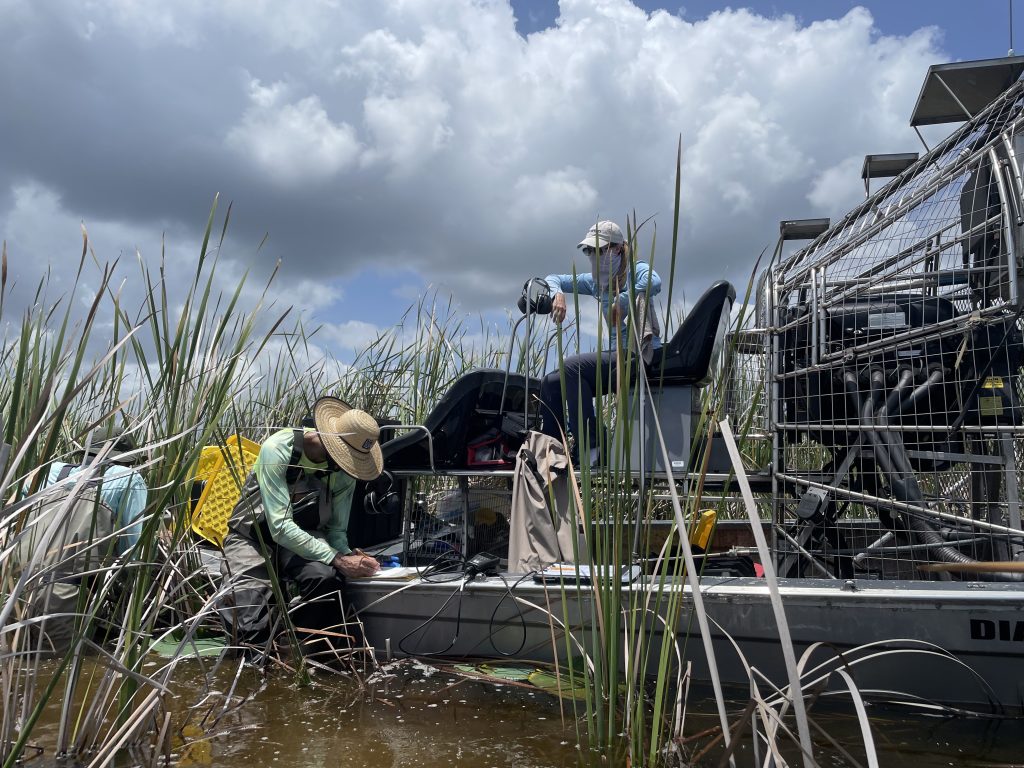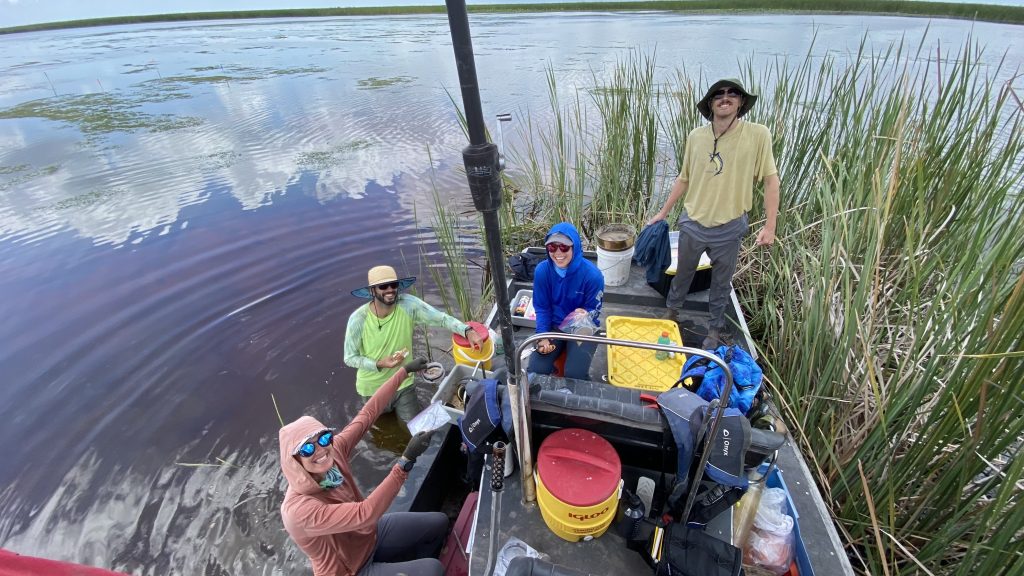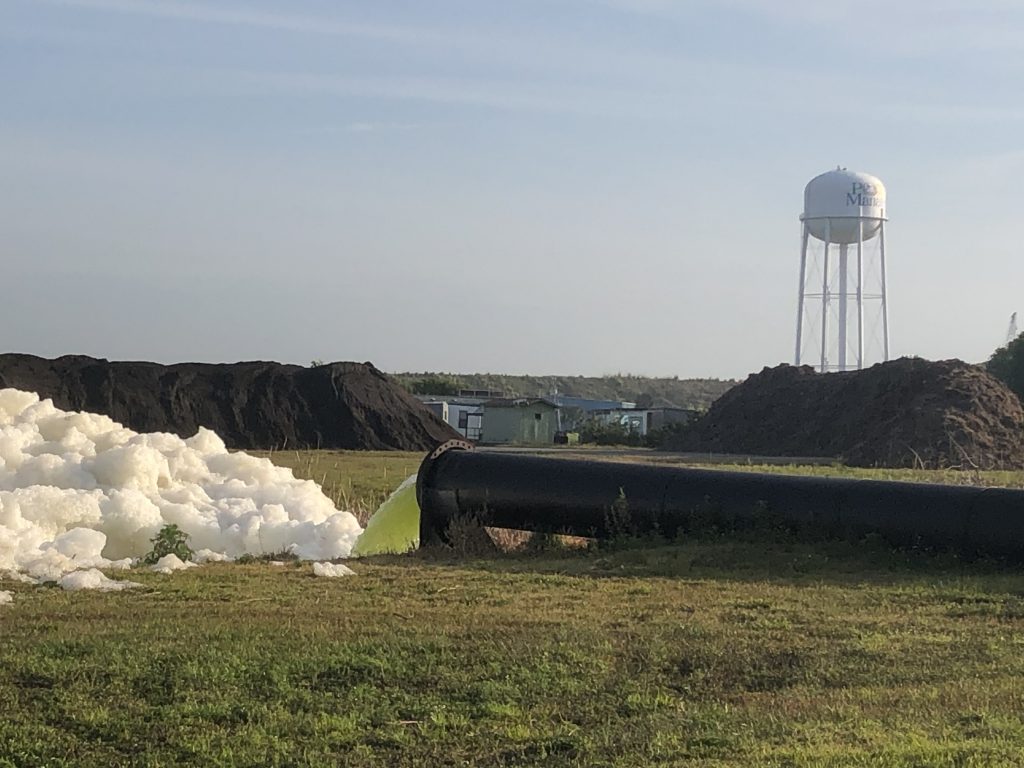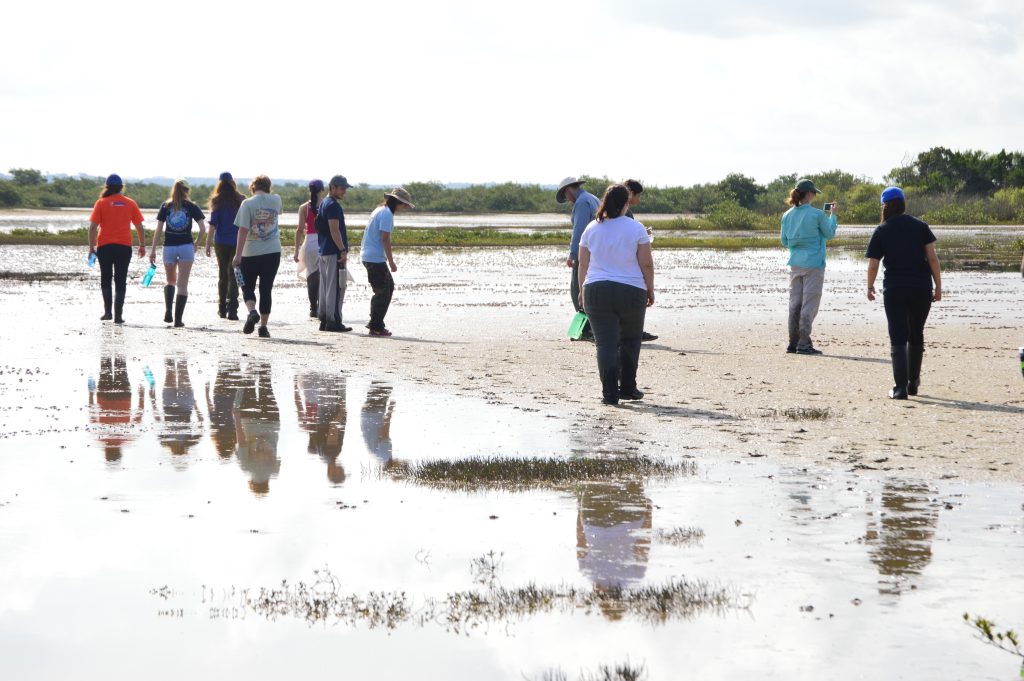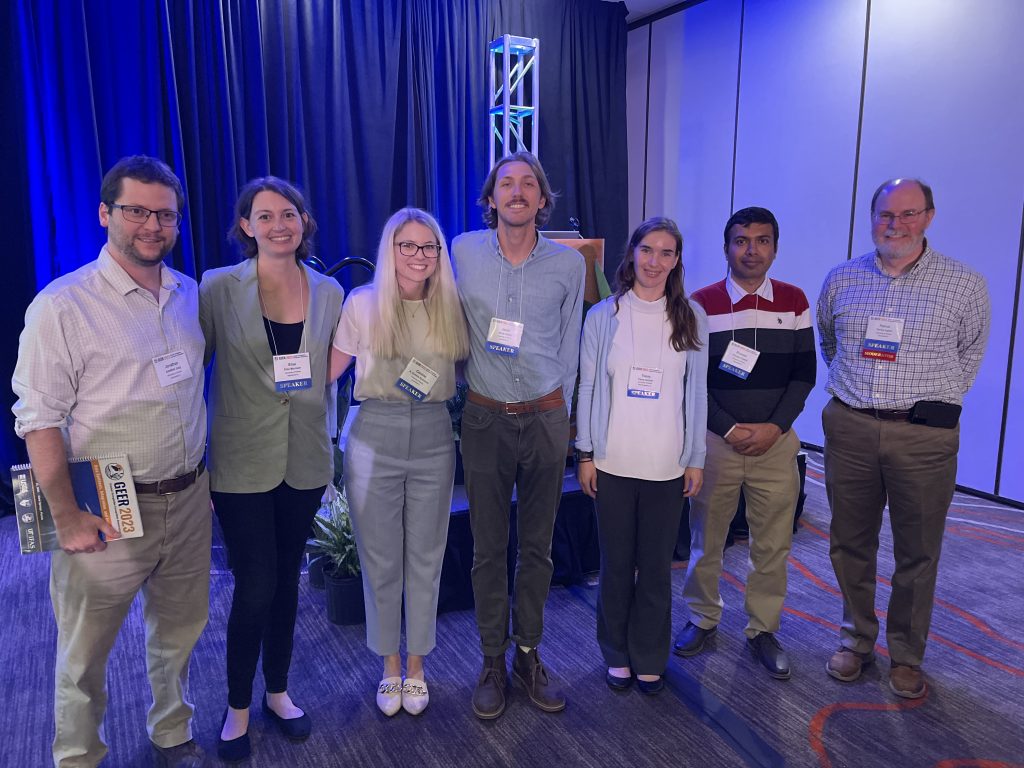
The Morrison lab works with a series of ecosystem-scale research questions designed to better understand the response of aquatic networks (rivers, streams, lakes, reservoirs and wetlands) and coastal environments to ongoing and episodic human perturbations, including intensifying land use, hydrologic manipulation, and changing climate.
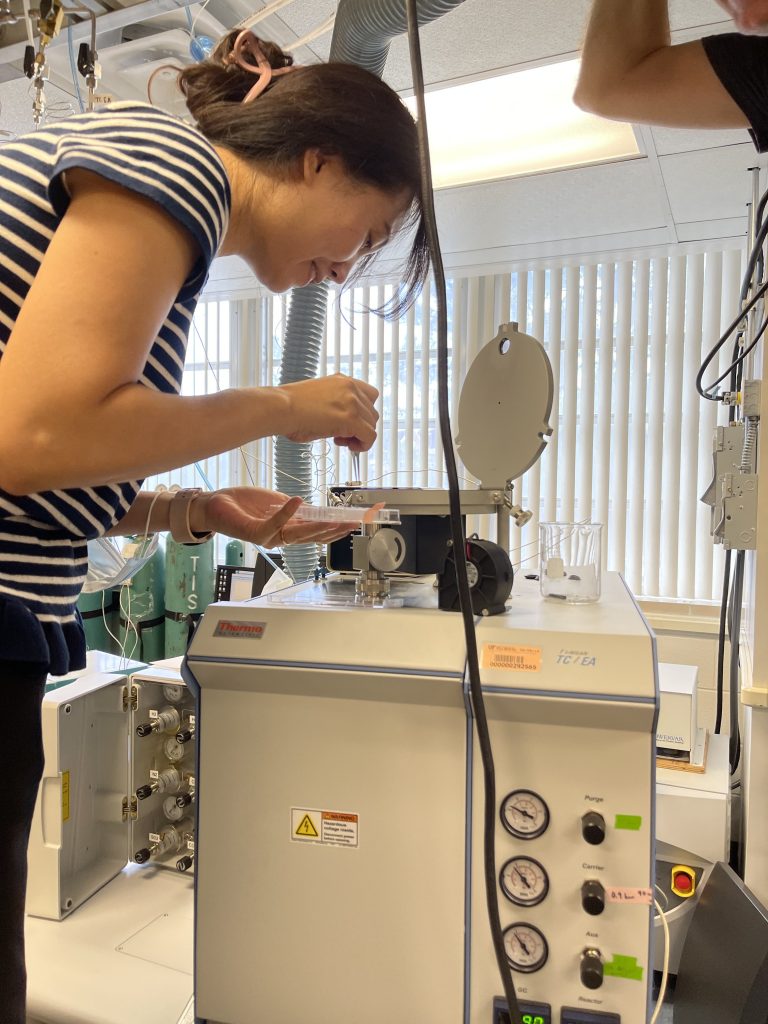
We use a variety of chemical and laboratory analyses to quantify nutrient (nitrogen and phosphorus) concentrations, stable isotopes, chemical biomarkers, spectroscopy indices, and microbial community composition and function to evaluate how aquatic systems respond to disturbances.
Some of our current research questions are:
-
How can we integrate novel approaches to better understand fundamental biogeochemical processes and their impacts on human-wetland interactions?
- How does microbial community structure and function influence elemental (C, N, P) cycling within wetland and coastal systems?
-
What are the sources of nutrients that influence harmful algal blooms and seagrass health in Florida’s freshwater and coastal systems?
- How can phosphorus loads to aquatic ecosystems be reduced to promote phosphorus sustainability?
- How does wetland restoration and thin layer placement influence the trajectory and function of microbial communities?
-
How can we better identify, predict, and mitigate coastal hazards through novel sensing platforms that inform our understanding of microorganisms and biogeochemistry?