
Our research is founded on the principles of electrochemical engineering. While the topics may seem very diverse, ranging from neural stimulation, corrosion prediction, glucose sensors, segmentally constructed bridges, electrokinetic separation, batteries, fuel cells, and models for cathodic protection, these projects are connected by application of electrochemical engineering fundamentals.
2022-2026
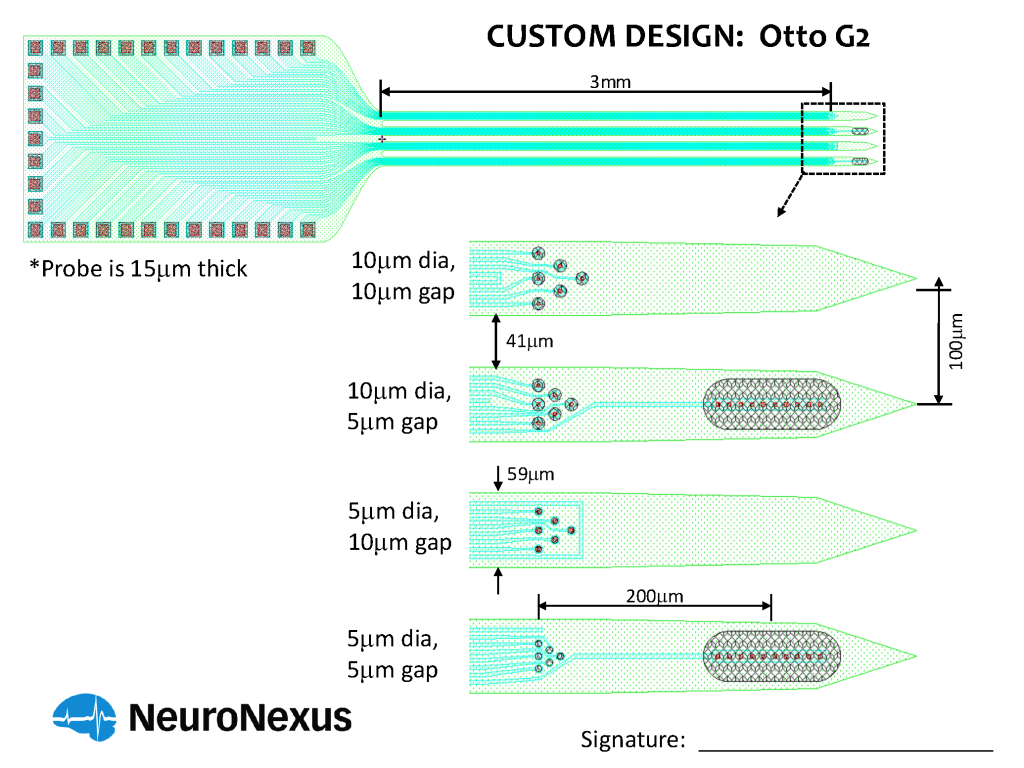
Engineering the neuronal response to electrical microstimulation
Sponsor: NIH
MPI: Kevin Otto (Purdue) and Mark Orazem
This is a collaboration of researchers from the University of Florida, Purdue University, Duke University, University of Texas at Dallas, and Neuronexus. My current PhD students on the project include Cynthia Eluagu (working with undergraduate Daniel Avalos), Bernard Biney, and Kelsey Sinclair (working with undergraduate Conan H. Humphries). We are exploring the electrochemical properties of ultramicroelectrode arrays used for neural stimulation. We use electrochemical impedance spectroscopy and finite-element (COMSOL) simulations.
2020-2026
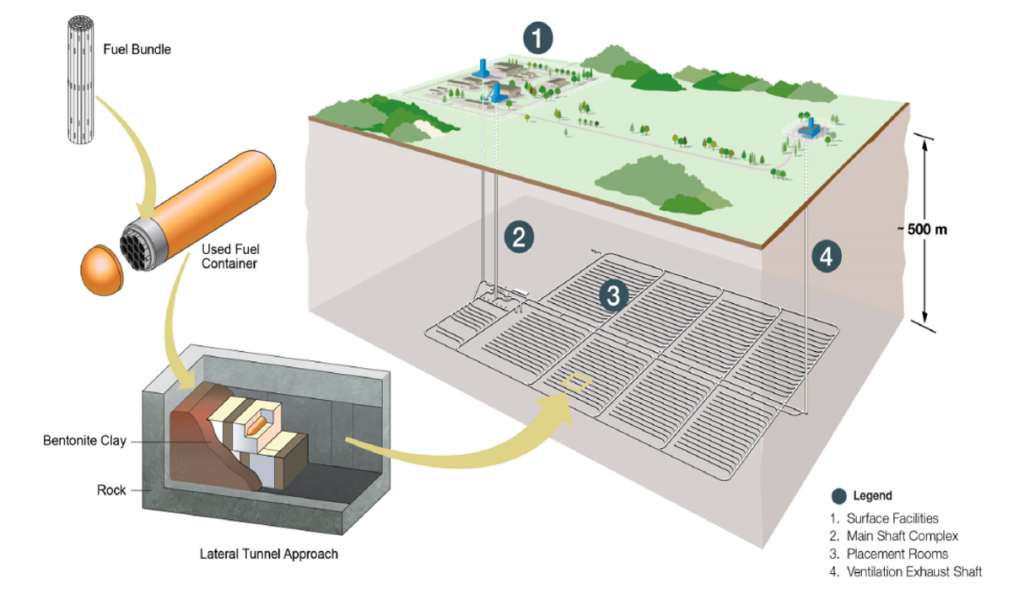
Finite-element modelling of localized corrosion of copper under an Evans droplet
Sponsor: Nuclear Waste Management Organization (NWMO), Canada
PI: Mark Orazem
Our group is collaborating with Scott Briggs from NWMO. My current PhD student on the project is Yunhan Chuai working with undergraduate Brooke Erickson. Our goal is to explore the potential for localized corrosion of copper-clad steel containers in the environment associated with a deep geological repository. We use finite-element (COMSOL) simulations.
1990-present
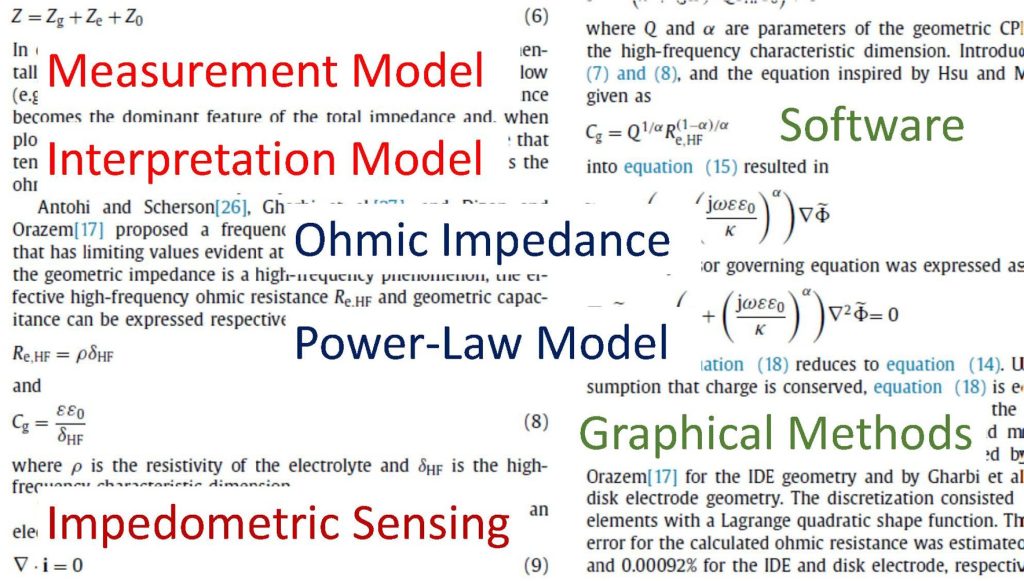
Fundamental study of electrochemical impedance spectroscopy
Sponsor: none
PI: Mark Orazem
Our work in this area has spanned more than three decades and dozens of students. Our contributions include the measurement model to quantify the error structure of impedance measurements, a novel method to extract physically meaningful information from impedance data affected by frequency dispersion, and a model that shows the influence of coupled faradaic and charging processes on impedance.
2018-2022
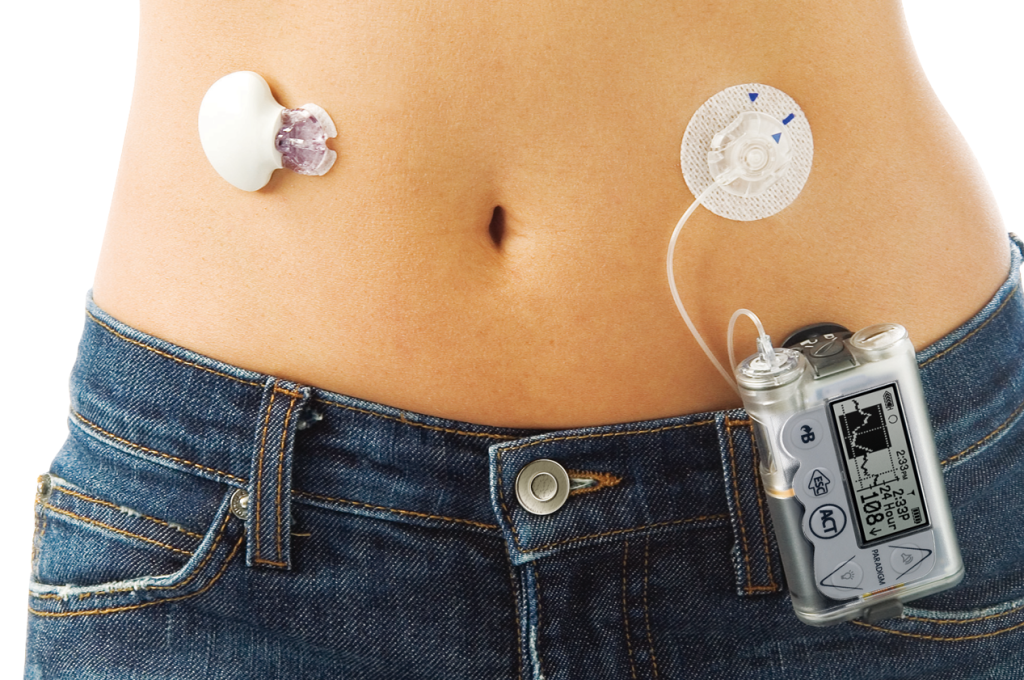
Numerical and experimental studies of the impedance and transient response of glucose sensors used to manage diabetes
Sponsor: Medtronic Diabetes
PI: Mark Orazem
We developed a fundamental finite-difference model for the impedance and transient responses for subcutaneous electrochemical glucose sensors. We used numerical simulations and in-vitro electrochemical measurements with Medtronic sensors.
2012-2017
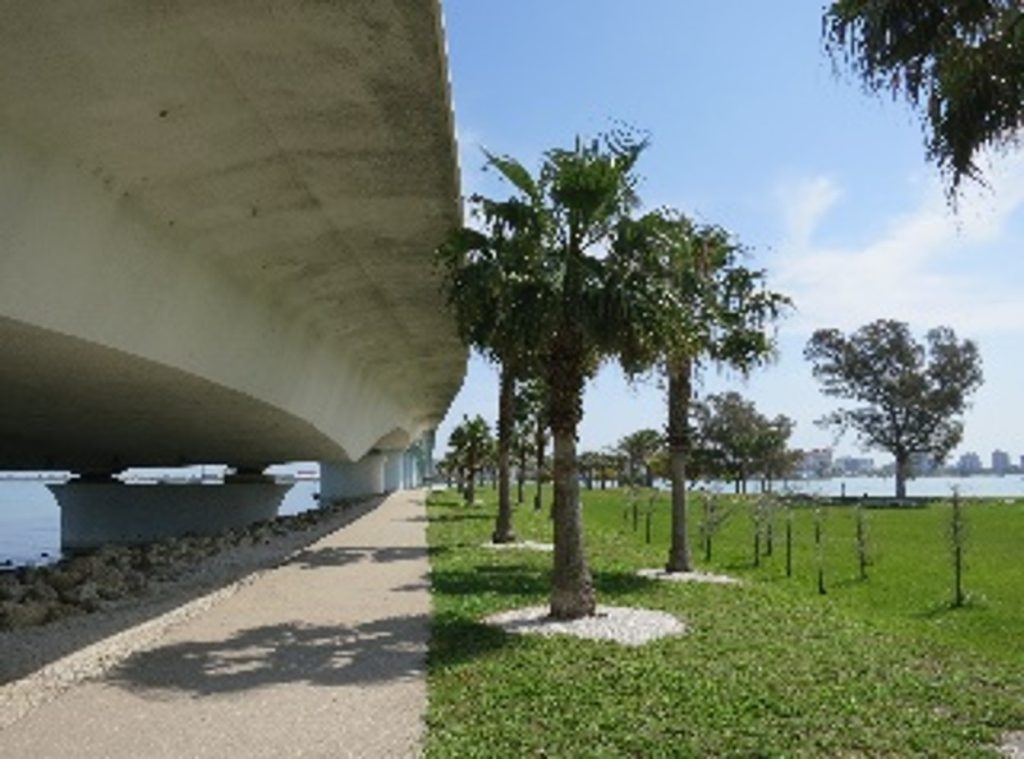
Indirect impedance for detecting corrosion of post-tensioned tendons in segmentally constructed bridges.
Sponsor: Florida Department of Transportation
PI: Mark Orazem
We developed a method to use indirect impedance spectroscopy to detect corrosion of steel cables in post-tensioned tendons. This work resulted in one patent. We used finite-element (COMSOL) simulations and electrochemical measurements on disk electrodes and on tendons extracted from a Florida bridge.
2008-2016
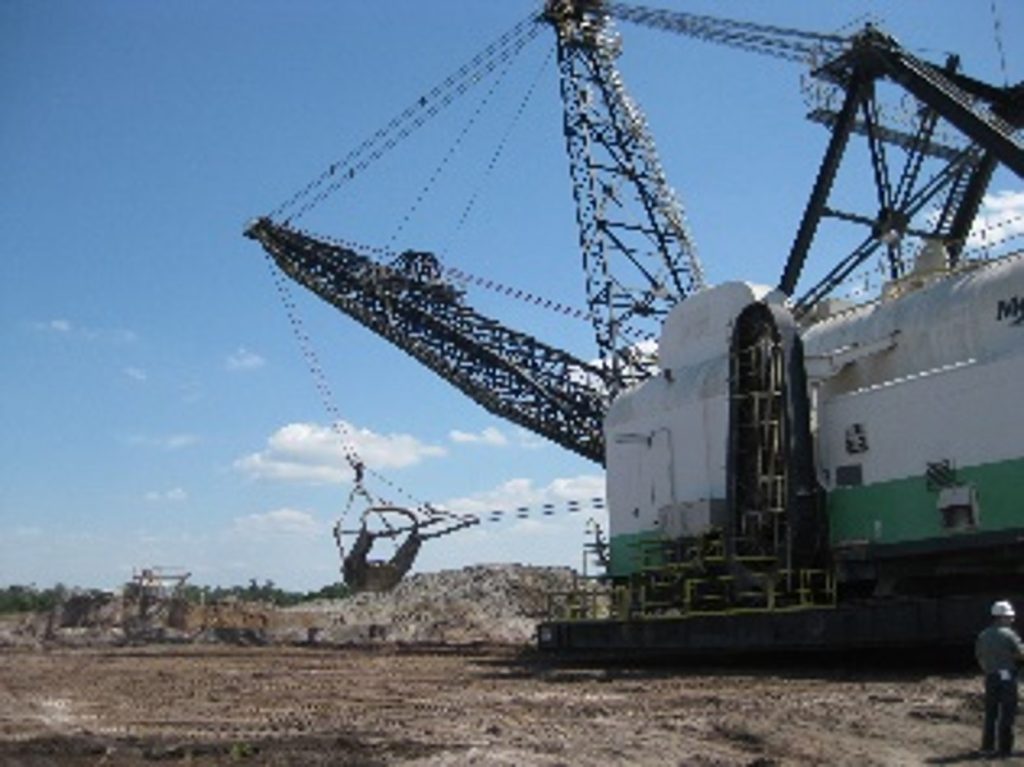
Electrokinetic dewatering of phosphatic clay suspensions produced by beneficiation of phosphate ore.
Sponsor: Mosaic
PI: Mark Orazem
We developed a continuous method for electrokinetic separation of clay from water in an effluent stream associated with phosphate mining operations. This work resulted in three patents. Our project encompassed construction of six prototypes, each representing an improvement in efficiency.
2010-2012
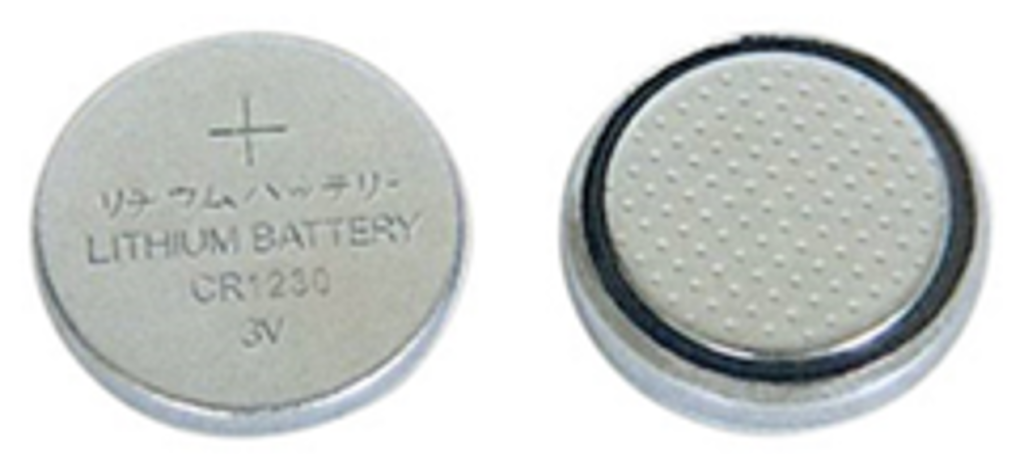
Impedance investigation of lithium batteries.
Sponsor: Sandia National Laboratories
PI: Mark Orazem
In collaboration with Sandia, we studied the impedance response of commercial Li|CoO2 coin cells. Our interpretation model employed the concept of anomalous diffusion.
2004-2008
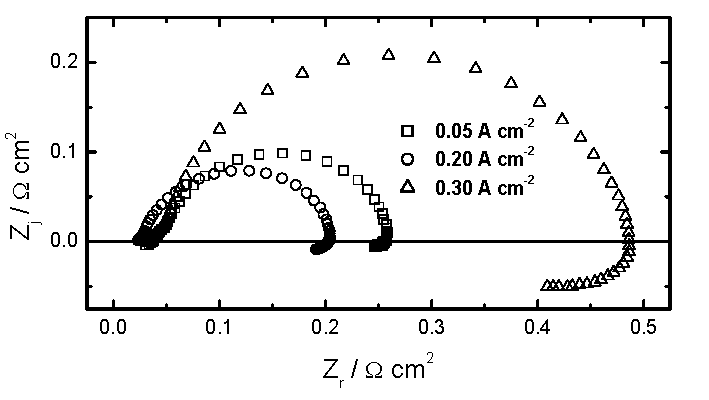
Impedance measurements for PEM fuel cells.
Sponsor: NASA
PI: Mark Orazem
We studied the impedance PEM fuel cells. We attributed the low frequency inductive loop to formation of oxides on the Pt catalyst. Our work included surface analysis techniques along with impedance measurements.
1991-2002
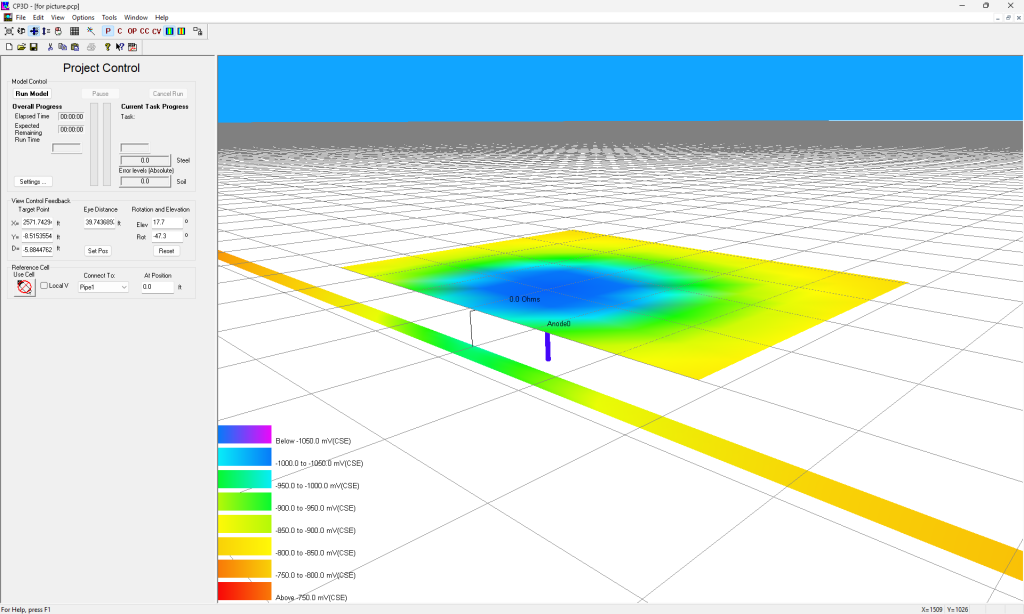
Development of models for cathodic protection of pipelines and storage tanks.
Sponsor: Alyseka, American Gas Association, Pipeline Research Committee, International
PI: Mark Orazem
We developed boundary-element models for cathodic protection of pipeline networks and tank bottoms. Our work was employed by ARCO for the Trans-Alaska pipeline and for new construction is the South China Sea.